
Superfans & merch
Superfans, merch, and what they buy
Superfans are the segment that keeps physical music and merchandise selling while streaming carries the revenue chart. They buy the record, the shirt, the tour edition, and the deluxe pressing. This page looks at how that behavior works and what it means for retail and merchandising decisions.
Who counts as a superfan
The label describes behavior rather than taste. Superfans engage with artists through merch, physical music, concerts, fan clubs, and social sharing. They are not defined by genre, age, or platform. What separates them is how many ways they participate, and how much they will spend on a release they care about.
Genre rarely predicts it. A shopper in a country store who drives two hours for a numbered pressing behaves like a fan in a city with a dozen record shops. Age does not sort it either: a parent buying a deluxe edition for a teenager and a collector in their forties both land in the same group. Platform is the weakest signal of all, because the same person can stream an album on the commute and still preorder the vinyl.
What they actually do
- They buy the physical release, not only the stream.
- They attend shows and buy at the venue as well as online.
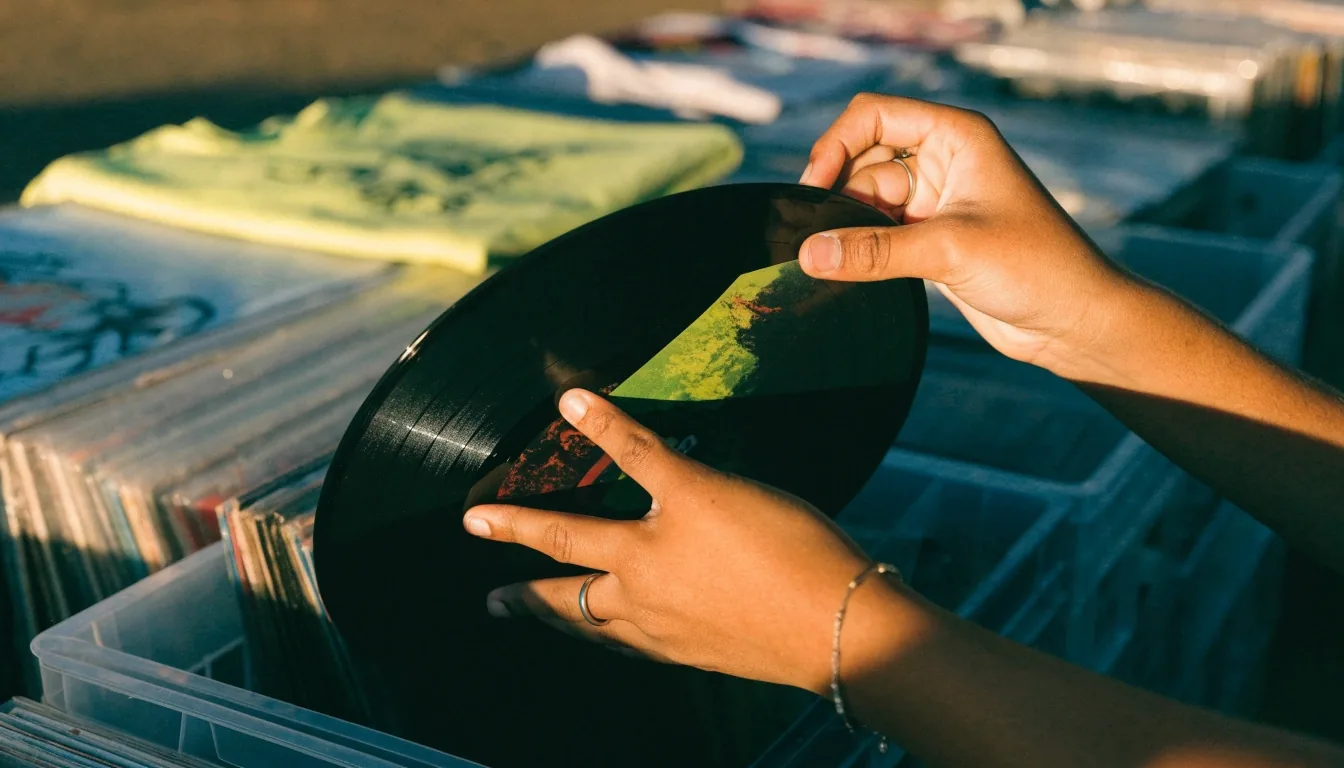
- They collect variants, editions, and packaging extras.
- They share releases with other fans, which pulls in new buyers.
Roughly one in five U.S. music listeners
Luminate estimated that about 20% of U.S. music listeners qualify as superfans. The label describes behavior rather than taste, and it covers a wide spread of ages and genres.
Intensity beats reach
A few thousand committed fans outspend a million casual listeners
Retail and merchandising strategies in 2026 are increasingly built around intensity of fandom rather than raw audience size. The reason is arithmetic. A million casual listeners may never buy anything. A few thousand committed fans will buy a record, a shirt, and a ticket in the same year. That difference changes what a merchandiser stocks and how a release gets packaged. It also explains why artists invest in fan communities rather than chasing broad reach alone.
Depth over breadth
Stock more of the titles that already have a buying audience instead of spreading thin across every new release.
Packaging is the product
A deluxe version with extras turns one purchase into a collecting decision and changes the price a fan will accept.
Communities carry releases
Fan groups spread word of a drop faster than paid placement, which is why artists keep building them.
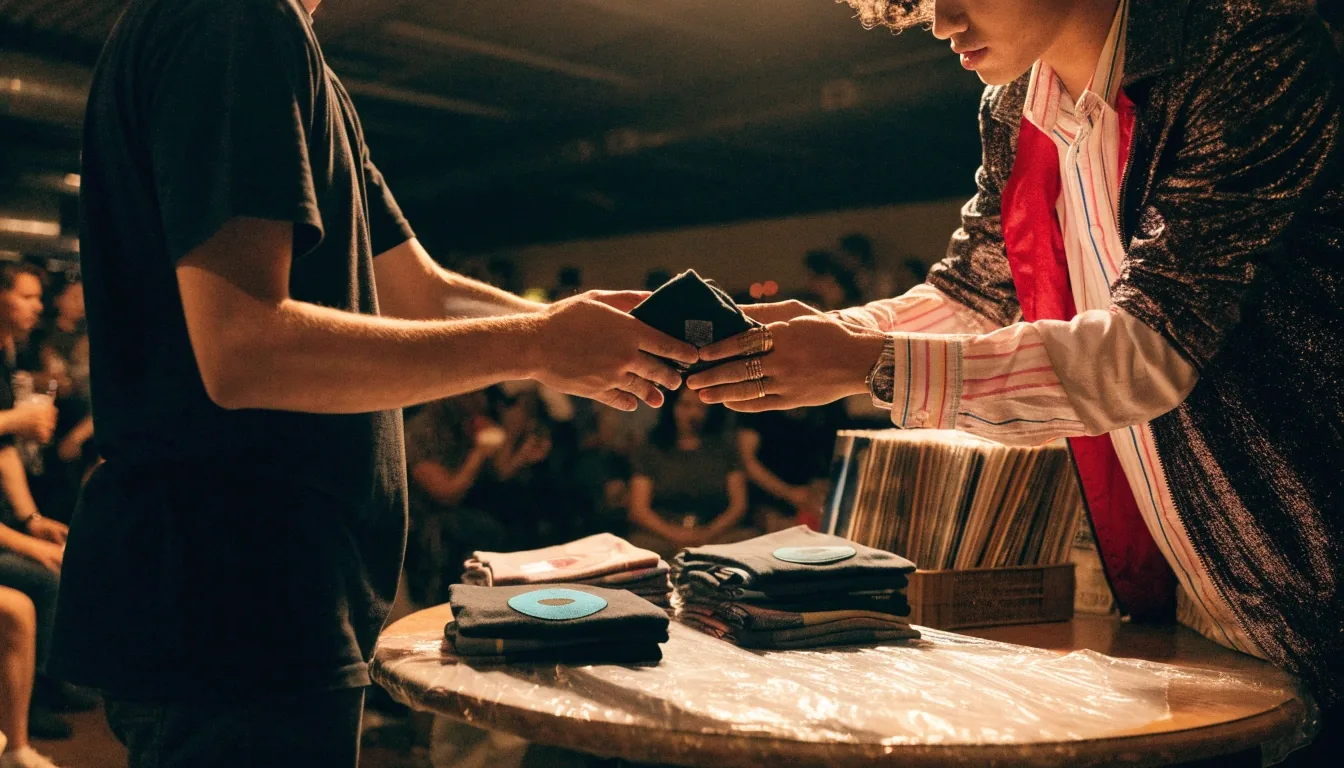
The merch table as a retail channel
The merch table runs on a different clock than a store. Tour-only designs, numbered prints, and release-day bundles create a window that closes. That urgency is the point. Direct-to-fan sales let artists keep margin and control the drop. Physical retail still serves the buyer who wants something today. Most artists now run both, and the two channels rarely compete for the same purchase.
Direct to fan
Closes fast, keeps margin
The window is short by design. Fans who want the tour-only design buy during the run, and the artist keeps more of each sale.
Physical retail
Serves the buyer who wants it today
A store still catches the walk-in who wants the album now, and that buyer often arrives for something else entirely.
Both at once
Rarely the same purchase
The fan buying the numbered print is usually not the same shopper buying the standard edition in a store aisle.
Merchandisers who plan for one channel and ignore the other tend to misread demand. A drop that sells out direct does not mean the store edition will sit; it means the fanbase already committed before the retail release reached shelves.
K-pop and the packaging economy
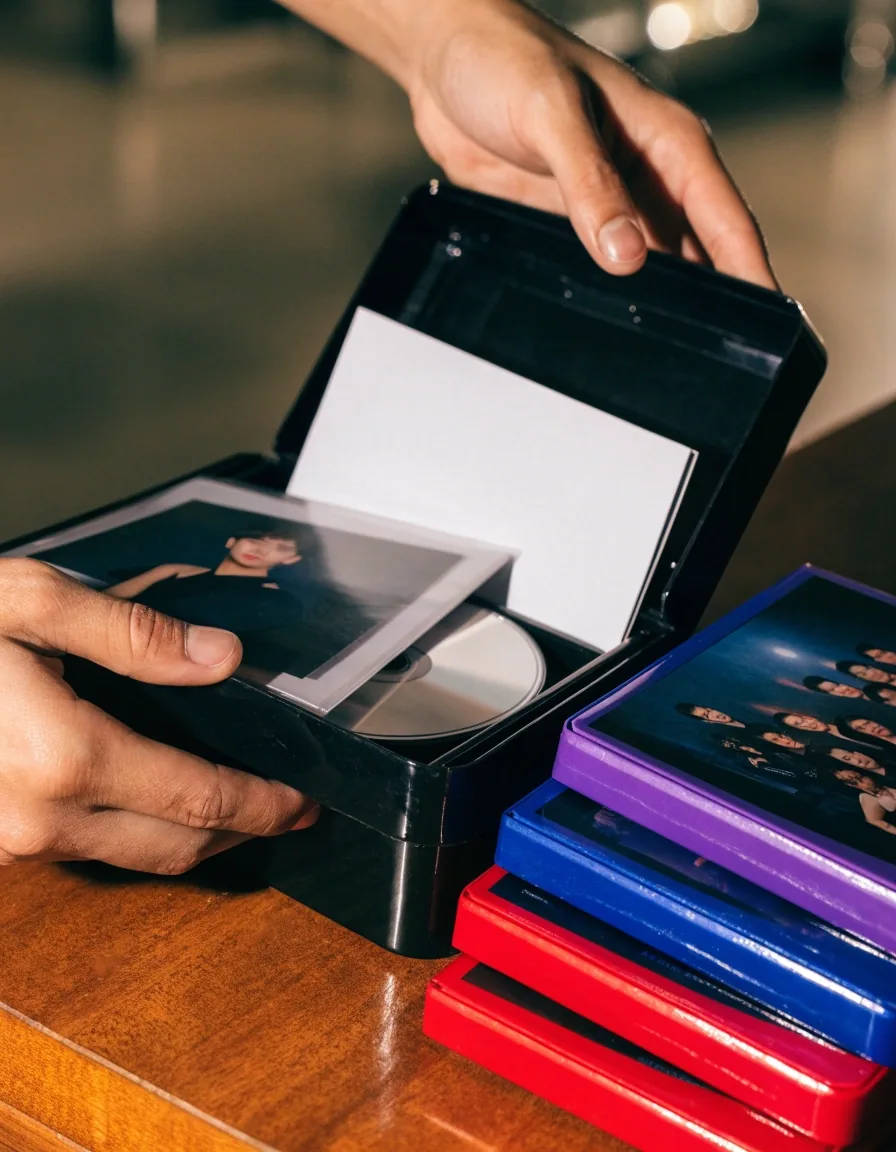
K-pop fandom reshaped what a physical album is expected to include. Photocards, booklets, and multiple versions per release turned a single album into a collecting project. Buyers do not pick a version and stop; they collect the set, trade the duplicates, and wait for the next pressing.
That habit changed packaging decisions far outside the genre. Labels now plan the extras as part of the release rather than as a bonus, because the extras are what make the second and third purchase make sense to a fan.
Luminate reported that the mass market captured nearly 30% of physical sales in the first half of 2026, driven in part by K-pop demand. That figure shows how much a dedicated fanbase can move a category that general-market observers had written off.
Collecting, condition, and catalog value
Collectors care about condition and completeness in a way general buyers do not. A sealed copy, a first pressing, an obi strip, a specific variant: each detail changes what a record is worth on the secondary market. That is catalog value, and it is why older titles stay in print. A release that keeps a resale market also keeps a retail market, because collectors buy to fill gaps rather than to listen once.
- Condition Sleeve wear, seam splits, and surface marks all move the price. A clean copy of a common title can outsell a worn copy of a rare one.
- Completeness Inserts, inner sleeves, posters, and original packaging matter. A record missing its extras sits in a different market than the same record complete.
- Pressing First pressings, specific plants, and regional issues carry value that later reissues do not, even when the music is identical.
- Variant Colored vinyl, alternate covers, and store-exclusive editions split one release into several things to collect.
For a shop, this is practical rather than academic. Grading honestly, listing what is included, and knowing which pressing is on the shelf protects the relationship with the collector who will come back for the next gap in the collection.
Limited runs and how they get planned
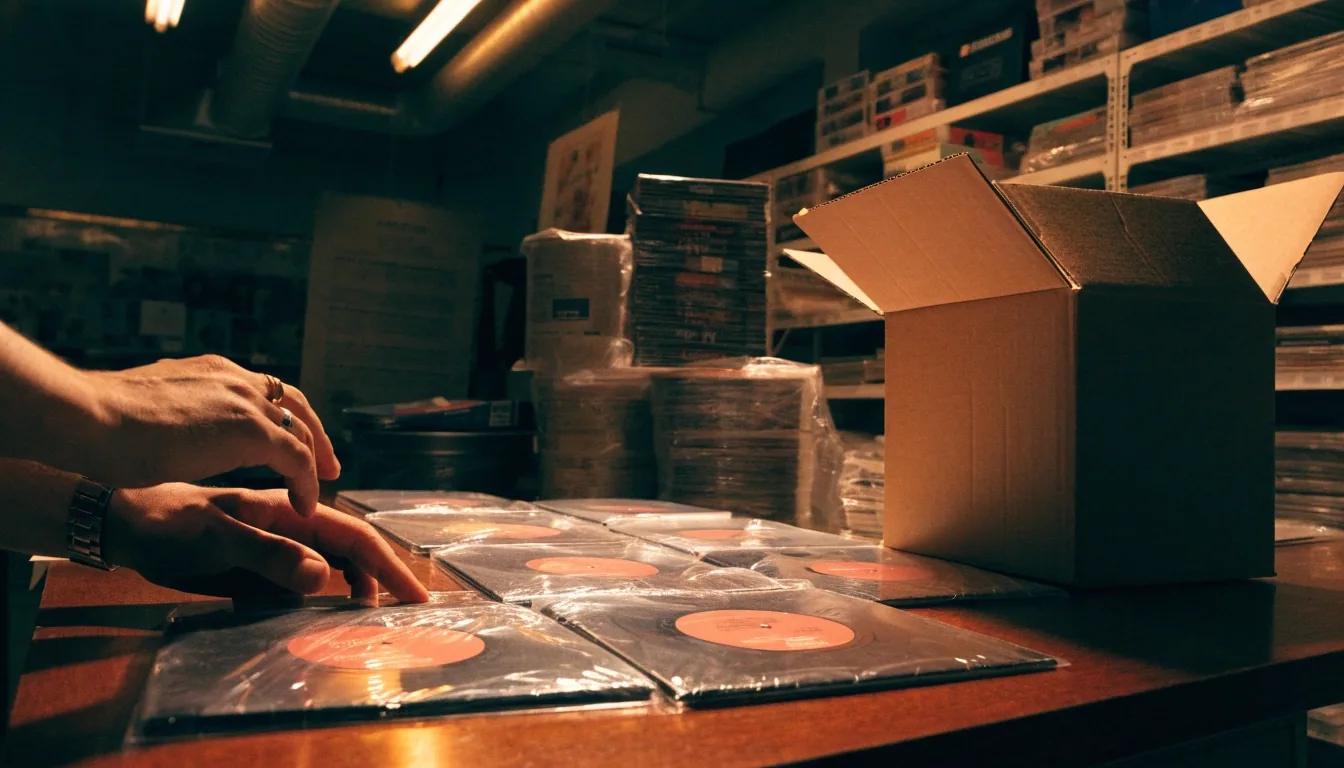
A limited run is a forecast dressed as a decision. Set the number too high and leftovers sit in a warehouse. Set it too low and the secondary market becomes the only place to buy, which frustrates the fans who showed up first. That is why pressing quantities get set with a specific fanbase in mind, and why some drops sell out in hours while others take a year.
The quantity decision also sets the retail story. A run planned around a known fanbase gives a store something to hold back for release day, something to preorder, and a clean answer when it is gone. A run planned on guesswork gives the shop three weeks of shelf space and an apology.
What this means for a retail floor
For a store, superfan behavior argues for depth over breadth on the titles that matter and clear signals on the ones that do not.
A dedicated limited-edition section
Numbered pressings and deluxe versions get their own shelf so the collector can find them without asking.
A preorder list that holds
If a fan can reserve a copy, the shop captures the sale before the release date and knows what to reorder.
Staff who know the difference
Standard versus deluxe, first pressing versus reissue: the person at the counter should be able to say which is on the shelf.
A clear answer when it is gone
Superfans track availability closely. Vague answers cost trust faster than a clear no, and they lose the next sale too.
Buying habits that cross categories
Superfans do not stay inside one category. Someone who buys a limited pressing may also buy a tour shirt, a poster, and a ticket in the same month. That behavior is why merchandising strategies increasingly treat music, apparel, and live events as one conversation. It also explains why a general retailer can still capture a physical music sale: the buyer was already in the store for something else, and the album was in reach.
Music
The pressing, the variant, the reissue. The purchase that starts the relationship.
Apparel
The tour shirt, the hoodie, the poster. Worn and displayed long after the show.
Live events
The ticket, and the merch table inside the venue where the same fan buys again.
Questions retailers ask about superfans
How much of physical music sales comes from superfans?
There is no single clean number, because the behavior crosses genres and retail channels. What the industry data does show is that a small, committed share of listeners carries a disproportionate amount of physical and merchandise spending, which is why labels keep pressing deluxe editions for audiences that would look small on a streaming chart.
Should a small shop stock limited editions at all?
Yes, if the shop knows which artists have a local following. A handful of numbered pressings tied to acts that already sell tickets in the area will move. Ordering limited editions for artists nobody in the neighborhood follows is what leaves boxes in the back room.
Why does condition matter so much to collectors?
Because a collector is buying a specific object, not just the music. Two copies of the same record can differ in value by more than the price of the record itself depending on sleeve wear, missing inserts, or which pressing plant ran it. Grading honestly is what keeps that buyer coming back.
Does a direct-to-fan drop hurt store sales?
Usually not, because the two channels serve different purchases. The fan buying the tour-only design during the run is often not the shopper who buys the standard edition in a store months later. Treating them as one channel is what causes misread demand.
How should a store handle a title that sold out?
Say so plainly and offer the next real option: a preorder on a reissue, a different edition, or a note on when more might arrive. Superfans follow availability closely, and a vague answer costs more trust than an honest no.
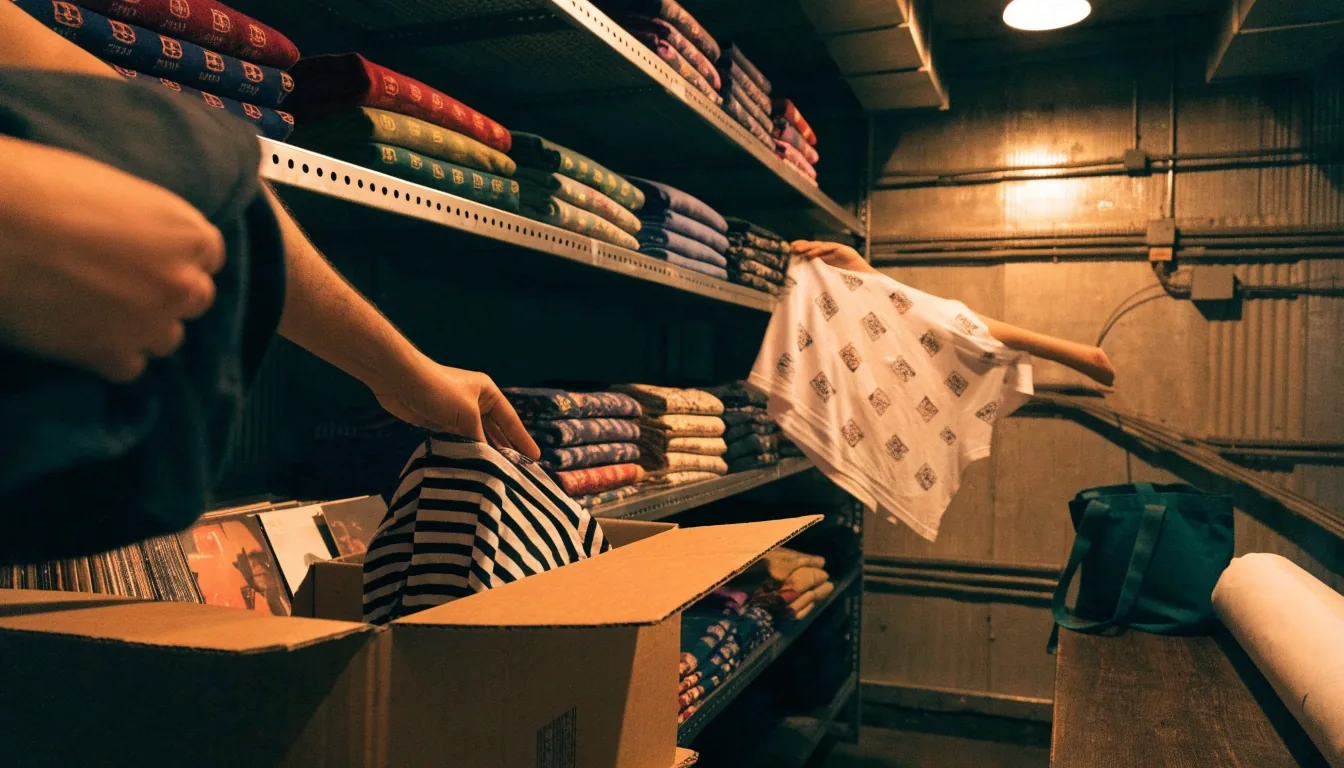
Working with Easy Killz LLC on merch and retail
Easy Killz LLC is a California-registered retail sales and music company based in Los Angeles. We work across retail operations, music formats, gear, and merchandising, and this page collects what superfan behavior means for the people stocking shelves and planning releases.
If you are planning a drop, deciding what a store should carry, or want a second read on how a release will move, send us the details. We answer questions about merchandising work and retail planning Monday to Friday, 9:00 AM to 6:00 PM.
1329 N Vista St, Apt 106, Los Angeles, CA 90046, USA · +995 574 011 852 · [email protected]