

Streaming & discovery
Streaming, discovery, and later purchases
Streaming decides what most listeners hear first. That does not end the buying journey. It often starts it. This page explains how platforms and recommendation systems shape discovery, and how digital listening connects to the physical music and merchandise people buy afterward.
Streaming is the front door
Subscription streaming remains the largest source of U.S. recorded-music revenue, with paid subscriptions as the main growth engine. Streaming accounted for $4.9 billion of U.S. recorded-music revenue in the first half of 2026.
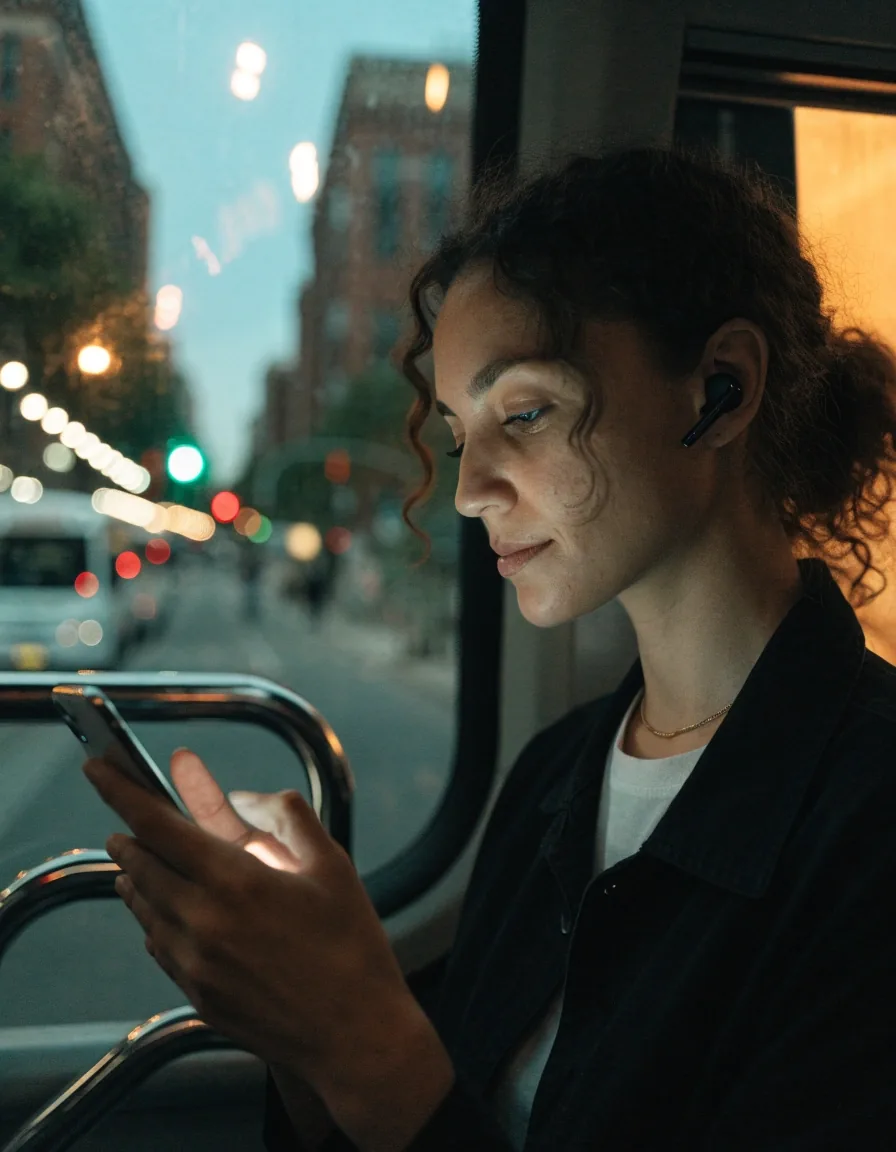
For most listeners, that is where an artist gets heard for the first time. The practical consequence is that discovery now happens inside a platform, under rules the listener did not set and the artist does not control. A song does not wait on a shelf for someone to find it — it arrives through a queue, a mix, or a follow.
Paid subscriptions carry the growth in U.S. recorded-music revenue
How algorithmic discovery actually works
Recommendation systems run on listening behavior: what gets finished, skipped, repeated, or saved. Playlists do the heavy lifting for early exposure, and catalog depth keeps listeners inside the app once they arrive.
The first thirty seconds
A track's fate can turn on whether it survives the opening half-minute. Skips push it out of rotation; completions and saves pull it back in.
Catalog depth holds attention
Discovery favors artists with enough catalog to hold a listener in the app. Back catalogs keep finding new audiences years after release.
Playlists carry early exposure
A first listen rarely comes from a search. It comes from a list — editorial, algorithmic, or someone else's library — where the track has to earn the next listen.
A spike in streaming can precede a spike in physical demand by weeks or months.
That lag is the part retail plans around. It is also why the shelf and the platform are read together, not separately.
Spotify and the playlist economy
Spotify is the most widely recognized streaming service in U.S. music consumption discussions, and playlisting is central to how it works. Getting placed on the right list can do more for an artist than a paid campaign, and it is not something an artist can simply buy.
Editorial playlists, algorithmic mixes, and user-built lists all behave differently. For retail, the takeaway is that a spike in streaming can precede a spike in physical demand by weeks or months — long enough that a store can still be deciding what to stock while the track is climbing.
- Editorial lists Curated by platform teams. Placement is not bought, and a single add can put a track in front of listeners who never searched for it.
- Algorithmic mixes Built from what a listener already finishes and saves. Reliable for retention, less useful for reaching someone outside their existing taste.
- User-built lists Shared playlists and fan-made lists travel with their curators. They move slower than editorial adds but carry more trust when they land.
- Why retail watches this A streaming climb is an early read on demand. It tells a buyer which titles are worth putting on a shelf before the physical market responds.
Amazon Music and platform ecosystems
Amazon Music sits within the group of major paid streaming services that support U.S. recorded-music revenue. Its position inside a broader retail ecosystem is the interesting part.
A listener who already shops on a platform may encounter music, physical media, and merchandise in the same session. That does not mean streaming replaces physical buying. It means the two can sit closer together in a single purchase path than they did a decade ago — a record, a shirt, and a saved album in one cart is a normal sequence now, not an unusual one.
From a stream to a record
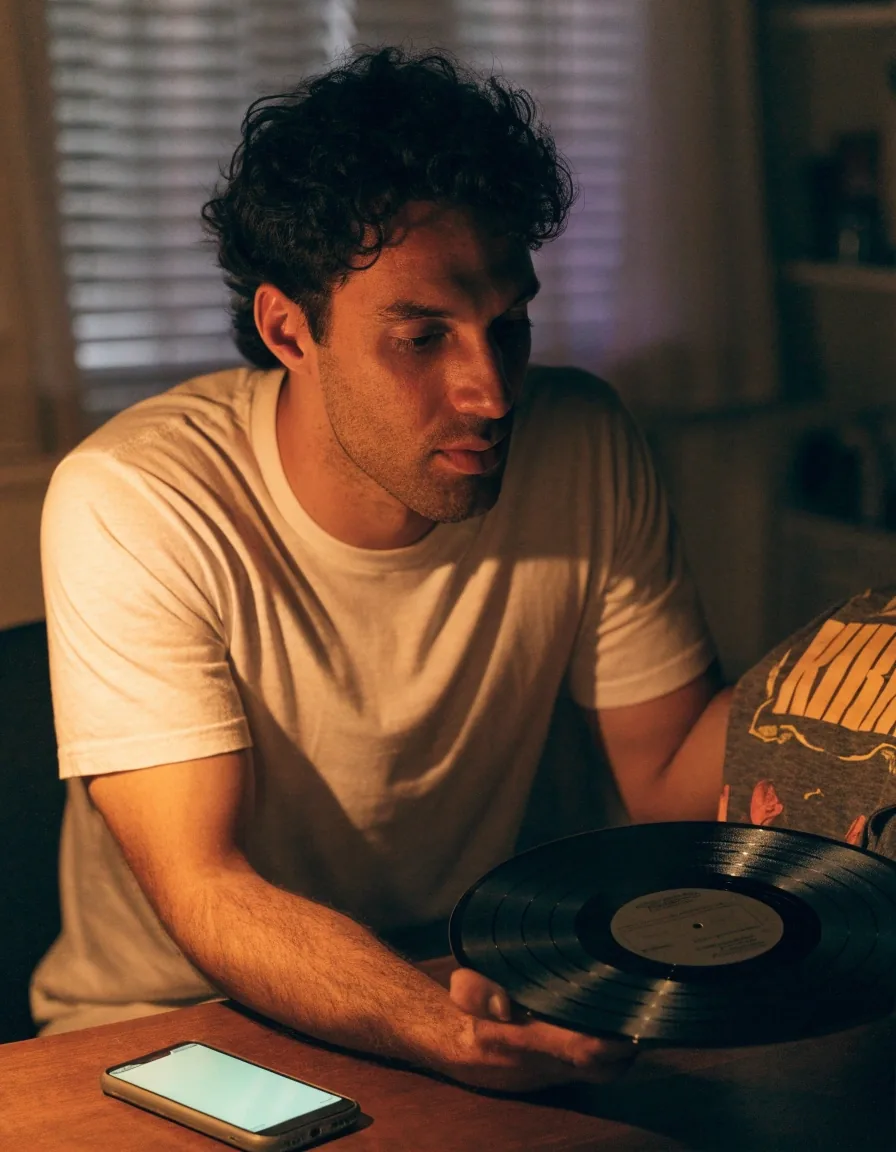
The path from listening to buying usually runs through repeat behavior. Someone streams an album several times, looks up the pressing, and buys it months later. Superfans accelerate that path, and Luminate estimated that about 20% of U.S. music listeners fall into that group. Retail sees the result: a title that charted quietly on streaming can show up as a physical seller long after its release week.
Superfans & MerchCatalog value and rediscovery
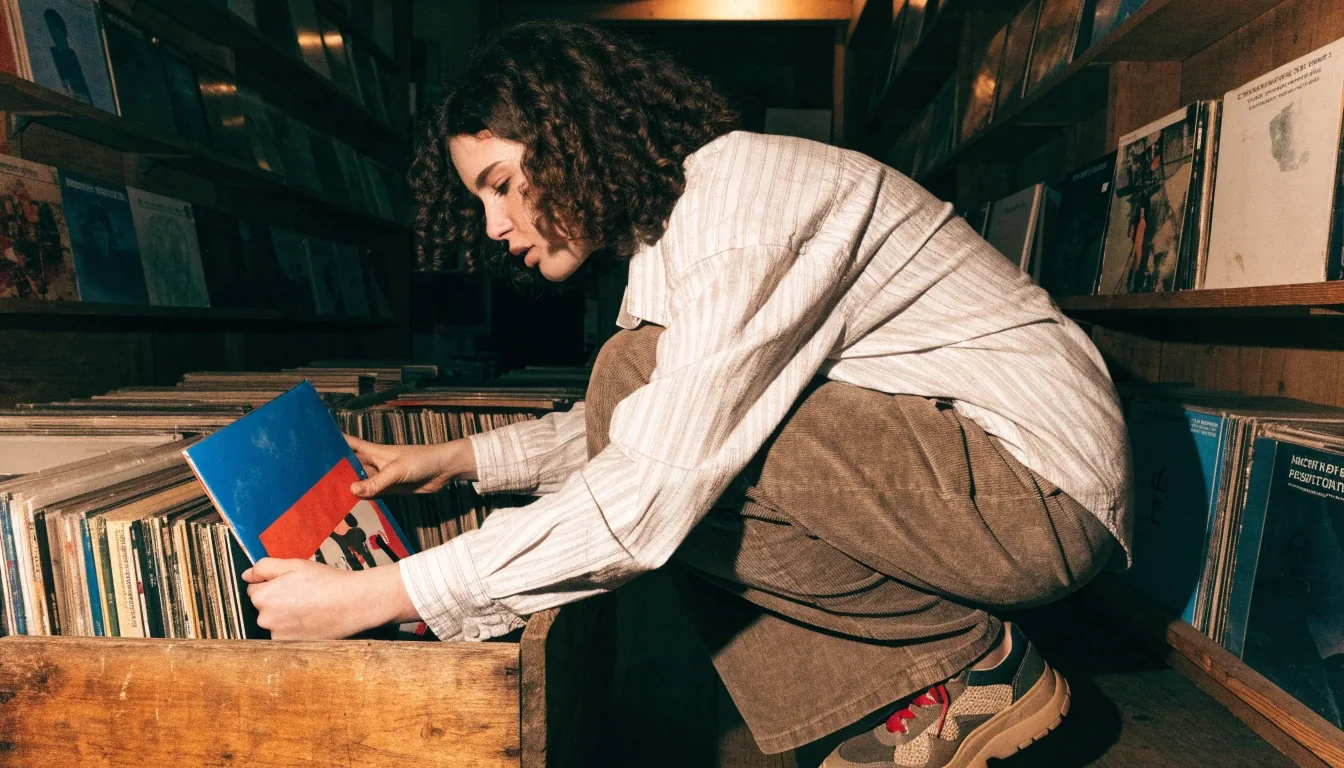
Older music keeps finding listeners because recommendation systems do not care about release dates. A track from a previous decade can land in a playlist beside a new single and perform just as well. That keeps catalog value alive and gives reissues a market. It also gives record stores a reason to maintain a back section, since rediscovery sends buyers looking for pressings that are no longer on a new-release rack.

What discovery does to shelf space
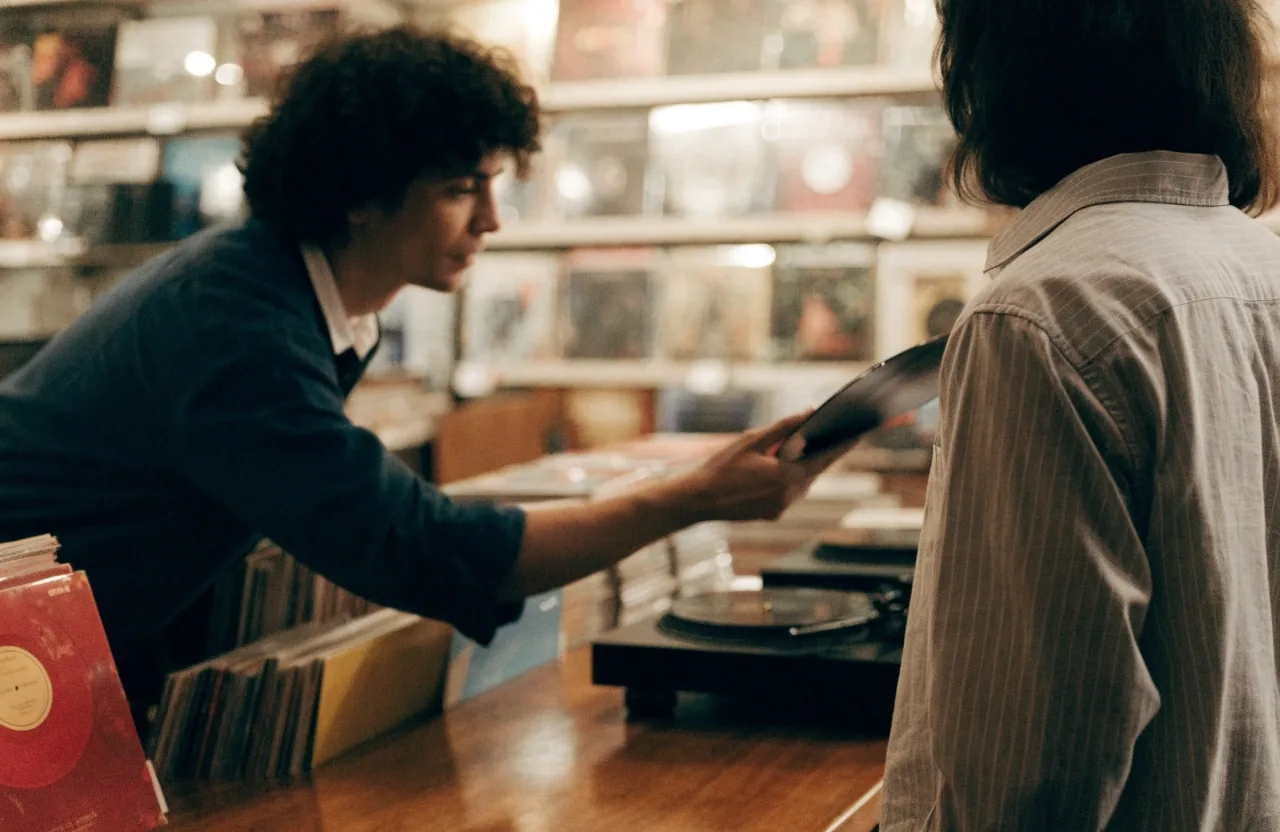
When discovery moves to platforms, retail's job shifts. A store no longer introduces most titles. It confirms them. That changes how stock is chosen: fewer speculative new releases, more titles with proven streaming traction, and a stronger back catalog.
It also raises the value of staff who can connect a listener's streaming habit to something on the shelf they have not heard yet. That conversation is still the part no recommendation feed has copied.
Limits of the algorithm
Recommendation systems are good at finding more of what someone already likes. They are less good at introducing a listener to something outside their history. That gap is where human curation still matters, in a record store, a radio show, or a friend's recommendation. It is also where independent retail keeps an advantage that no platform has fully replicated.
Does a streaming spike always lead to a physical sale?
No. Most listeners never buy a copy. The signal matters because the small share who do tends to arrive weeks after the track peaks in streams, and that timing is what a buyer can plan around.
Why does a back catalog keep selling years later?
Recommendation systems weight behavior, not release dates. An older track can sit beside a new single in the same mix, so rediscovery keeps sending buyers back to pressings that left the new-release rack long ago.
Can a label or artist simply buy playlist placement?
Editorial placement is not bought. Paid promotion exists, but it works differently from a playlist add, and neither guarantees a shelf decision or a purchase.
What should a store stock when a track starts climbing?
Smaller quantities of more titles beats deep stock of one release. If the climb holds for several weeks, the store can add depth; if it fades, the back catalog still earns its space.
Talk to us about discovery and retail
Easy Killz LLC is registered in California and works across retail sales and music. If you want to talk through how discovery is showing up in your category, or where a streaming trend is heading in the physical market, the contact page is the shortest route.
1329 N Vista St, Apt 106, Los Angeles, CA 90046, USA · Monday to Friday, 9:00 AM – 6:00 PM