
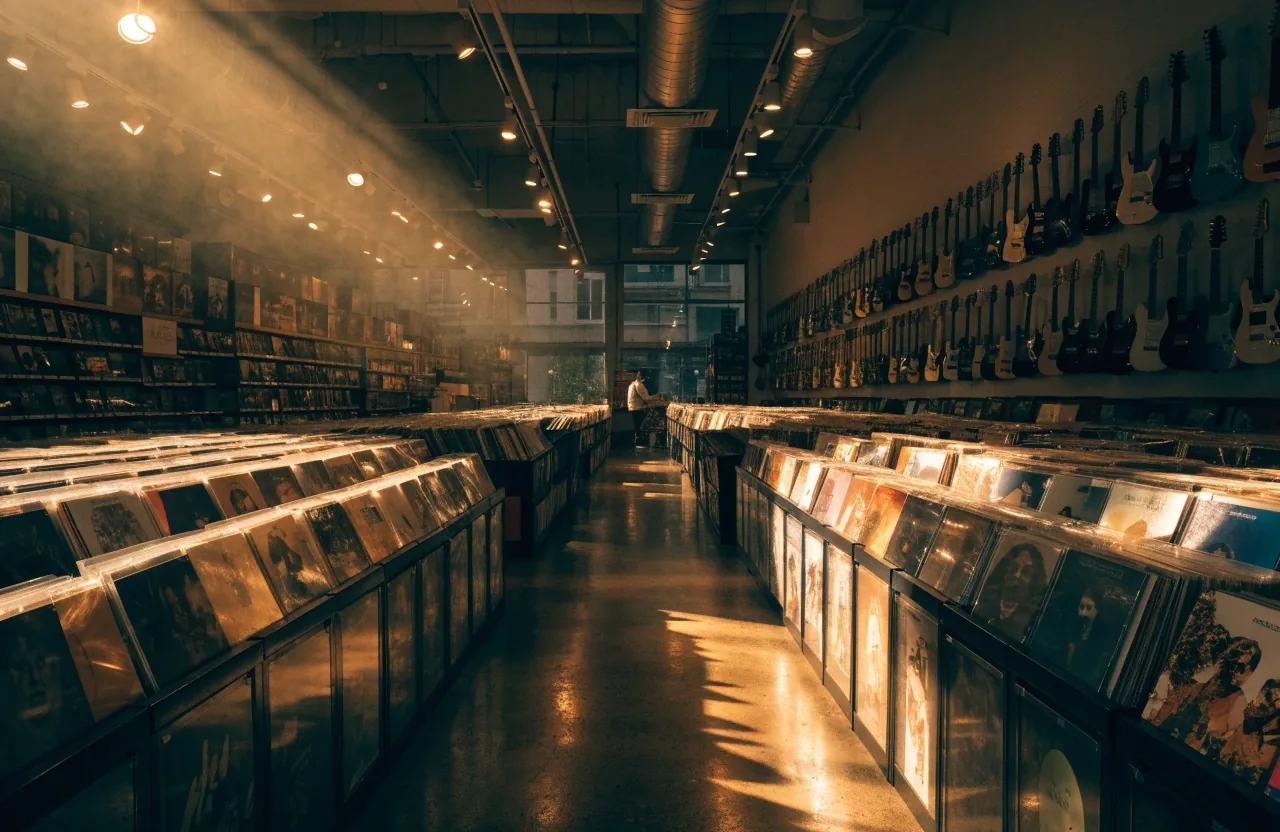
Los Angeles, California
About Easy Killz LLC in California
Easy Killz LLC is registered in California and works across retail sales and music. We operate from Los Angeles, at 1329 N Vista St, Apt 106, and our interests sit where consumer retail meets the music industry: formats, gear, merchandise, and the platforms that connect them.
Who you are dealing with
We wrote this page for people who want to know who they are dealing with before they call or email. It covers what the company does, how we approach our two lines of work, and the standards we apply to both. Nothing here is a pitch deck. It is the practical picture: a registered California company, a Los Angeles address, a phone number that reaches a person, and a description of the work we actually take on.
Retail sales and music are treated separately on this site because they behave differently day to day, but they are run by the same company and often by the same week of work. If you are evaluating us as a supplier, a partner, or simply a business you might contact, the sections below are the ones worth reading first.
A California company, plainly stated
The registration, the address, and the way to reach us are the parts of this page that do not change.
Easy Killz LLC is a limited liability company registered in the state of California. Our mailing address is 1329 N Vista St, Apt 106, Los Angeles, CA 90046, USA. We do not publish revenue figures, headcount, or client lists, because those numbers change and a static page is a poor place to keep them current. If a figure matters to your decision, ask us directly and we will tell you what we can.
Registered
State of California, United States
Mailing address
1329 N Vista St, Apt 106, Los Angeles, CA 90046, USA
Working hours
Monday to Friday, 9:00 AM – 6:00 PM
Reach the office by phone at +995 574 011 852 or by email at [email protected]. If your question concerns a specific category, say so in the first line and it will land with the right person faster.
Why retail and music sit together
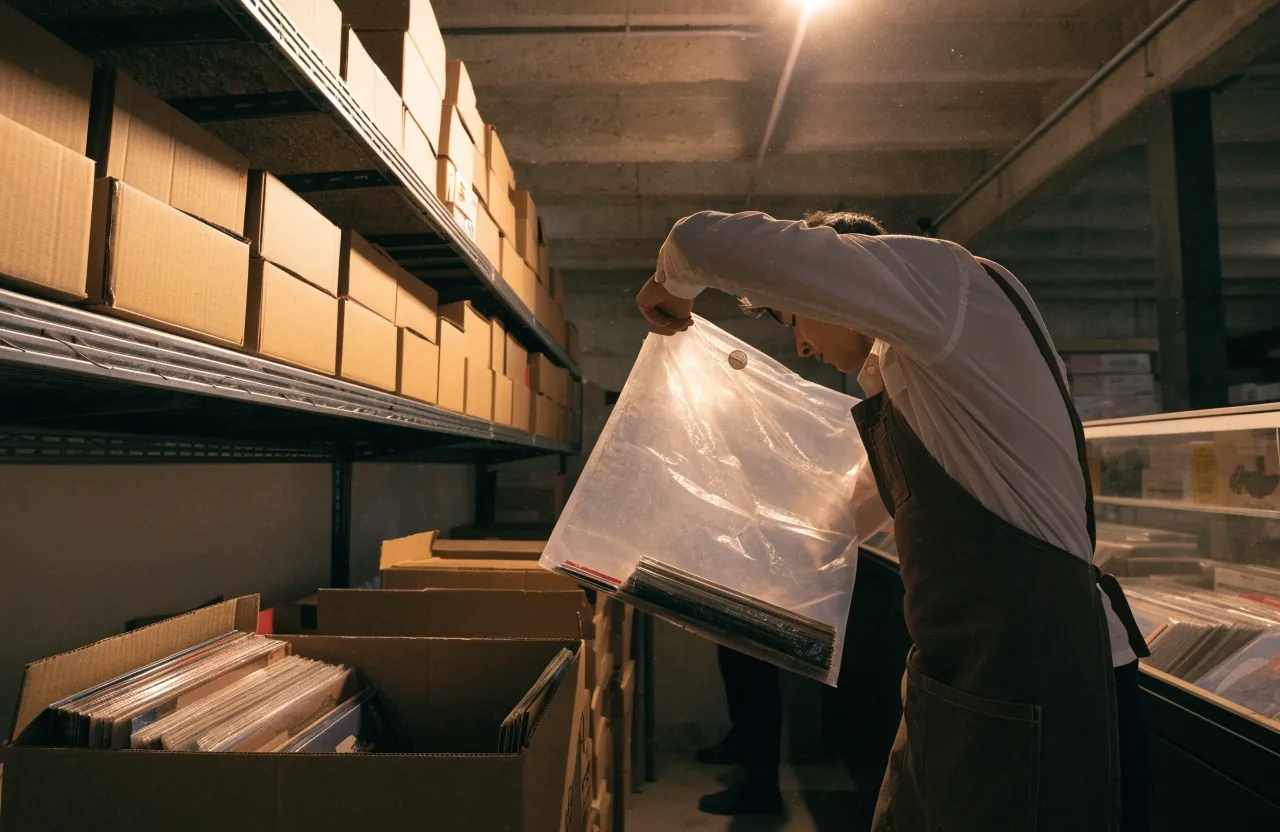
The two lines are not a marketing pairing. Music is a retail category: it has inventory, shelf life, returns, and seasonality. Retail is where music reaches most buyers: a store, a merch table, a big-box aisle, an artist's own web shop. Working in both means understanding a pressing schedule and a purchase order in the same week. That overlap is the reason this company exists in this shape rather than as one or the other.
Inventory has a clock
A release has a window. It lands, it sells, or it sits. Planning around that window is most of the retail job, and it applies to a record the same way it applies to any other product with a launch date.
Buyers arrive in two moods
Some walk in knowing exactly which version they want. Others are browsing and will leave with something else. A well-run floor serves both without making either feel like an interruption.
The same week, two schedules
A pressing run and a reorder cycle rarely line up neatly. Working both sides means holding two calendars at once and being honest about which one is tighter.
How we approach assortment
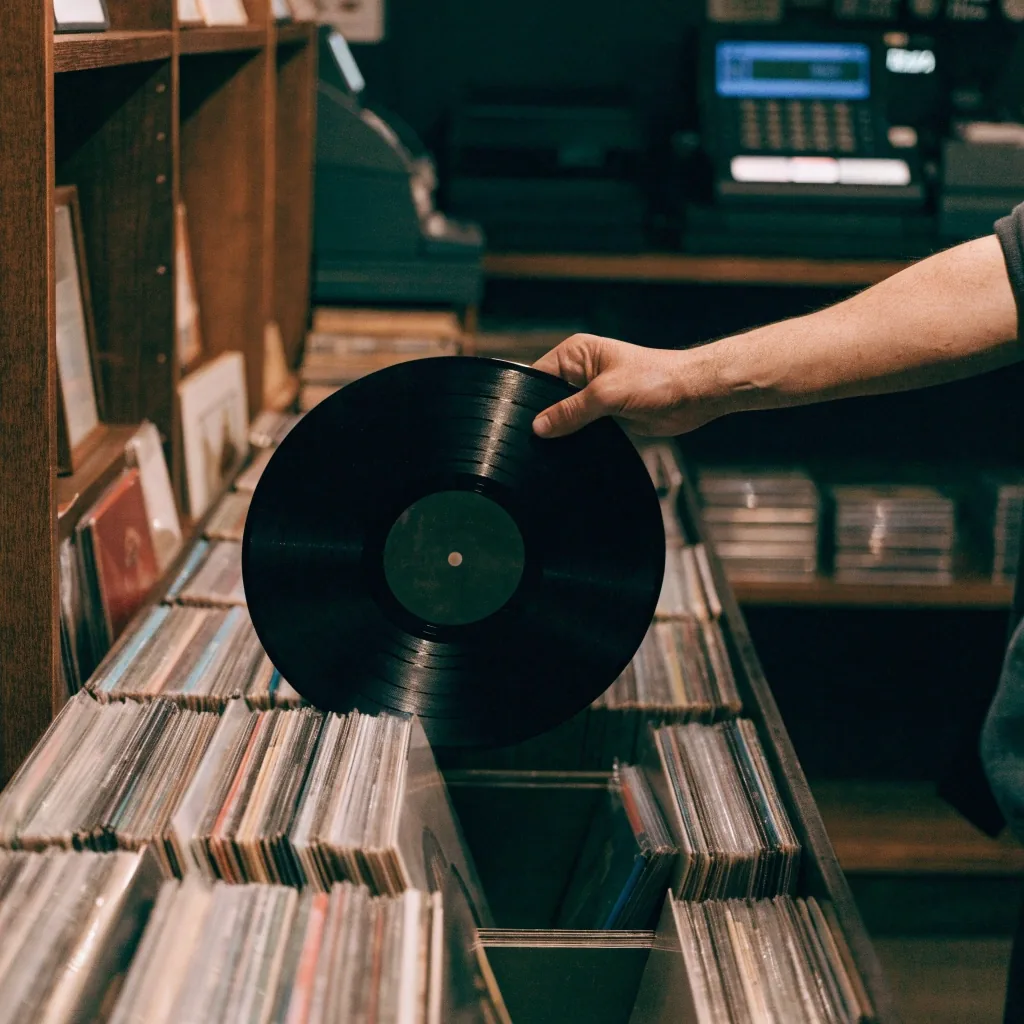
Assortment is the hardest part of retail and the least visible. Carry too wide and capital sits on a shelf. Carry too narrow and regulars stop coming in. The deciding factors are usually local: what a neighborhood asks for, which genres move in a given month, whether a release has multiple versions.
K-pop releases made this more complicated for everyone, since one album can now mean several SKUs and a reorder decision per version. The practical answer is depth on the titles that earn it and restraint everywhere else, reviewed on a short cycle rather than an annual one.
Buying behavior we plan around
Two audiences buy music, and they do not behave alike. The general audience samples; a smaller group commits. Retail planning that treats them as one number usually buys the wrong depth.
- Roughly 20% of U.S. listeners qualify as superfans
- That estimate comes from Luminate. The group behaves differently from the general audience: they buy physical music, merch, and concert tickets, and they follow artists across platforms. Merchandising strategies in 2026 are increasingly built around the intensity of that fandom rather than raw reach. For retail planning, that means depth on the right titles matters more than breadth on every title.
- Mass-market retail still accounted for nearly 30% of physical sales in the first half of 2026
- Part of that came from K-pop demand. It is a useful reminder that the store aisle has not lost its place in how recorded music reaches buyers, even as listening moved online.
- Streaming generated $4.9 billion in U.S. recorded-music revenue in the same half
- A company working in music retail has to plan for both realities at once, because the buyer participates in both. The person who streams an album on release day is often the same person who orders the physical edition a week later.
Figures above are drawn from published industry reporting and are cited here for context. They describe the market we work in, not our own performance.
The formats question
Physical music did not fold under streaming. Three format families now share the same shelf, and each one asks something different of the people stocking it.
Explore music formats- Vinyl Held its momentum. Heavy, fragile, and slow to restock, which makes storage and shipping part of the buying decision as much as the music is.
- CDs Returned to growth discussions after years of being written off, and still the format many buyers pick when they want something physical at a lower price point.
- Streaming The default way most people hear new music, and the reason a physical edition now functions partly as a keepsake rather than the only way to own a record.

Gear as a retail category
Instruments and audio gear behave like specialty retail, not like recorded music. Guitar Center built its position on demoing, trade-ins, and a beginner-to-pro pathway, and that model still describes how most people buy a first instrument. The decision takes longer, the questions are more specific, and the buyer usually wants to touch the thing before committing.
A Fender Stratocaster sells on feel, sound, brand recognition, and resale value. A Yamaha P-45 sells on portability and home setup. Different buyer, different sales floor, and different reasons for the purchase in the first place.
Browse gear and instrumentsStandards we hold to
These are not values on a wall. They are the rules we use when writing anything that carries our name.
-
Claims stay specific. If we cite a market figure, it comes from published industry reporting and we say so. We do not round a number up to make a point.
-
No unverifiable proof. We do not publish testimonials we cannot verify, ratings we did not collect, or results we cannot show.
-
Third-party names are named as such. Product names that appear on this site, such as Spotify, Amazon Music, Guitar Center, Best Buy, Fender, and Yamaha, belong to their respective owners and appear here for identification and commentary only.
What this site is for
This website is informational. It explains how the U.S. music retail market works and where Easy Killz LLC fits into it. It is not a storefront, and nothing on it is an offer to sell. If you want to talk about our operations, a specific category, or a business inquiry, the contact page lists our phone number, email address, and working hours.