Easy Killz LLC Easy Killz LLC Retail & Music
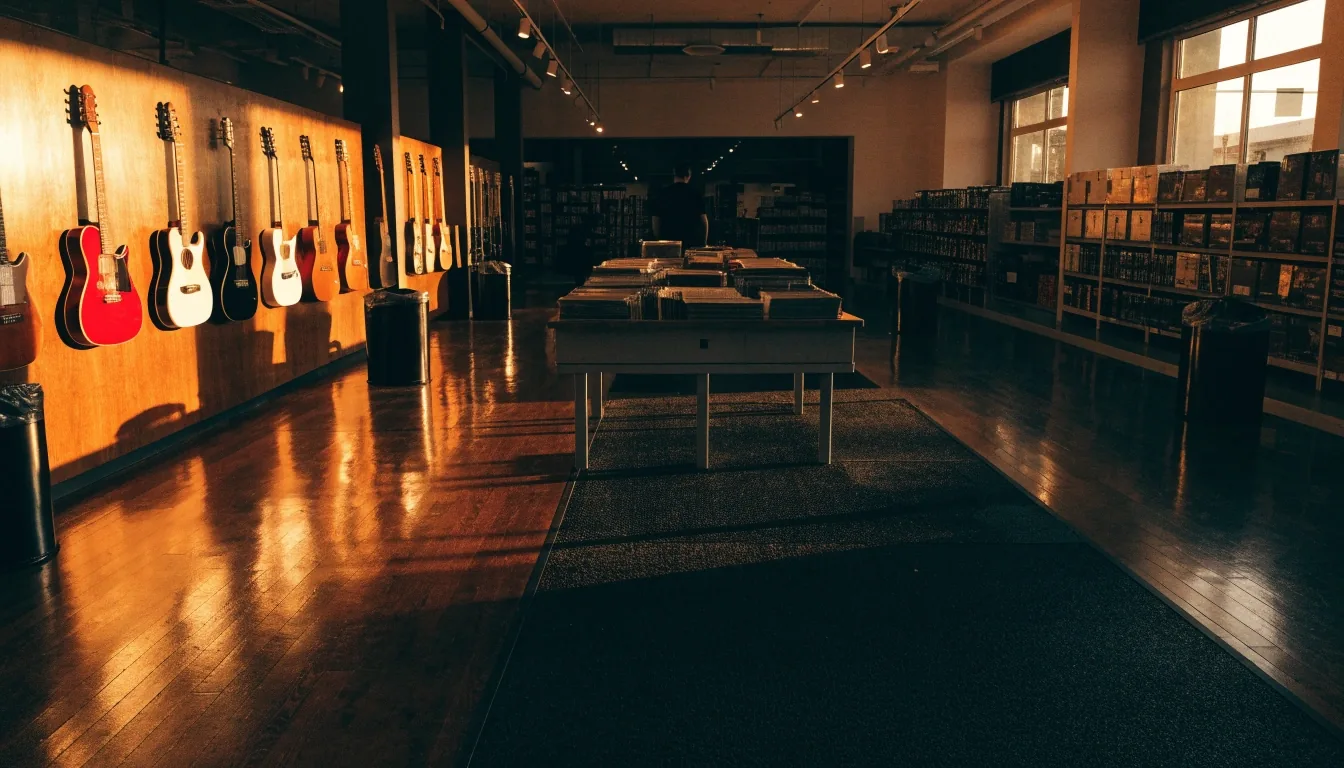
Guitars on the wall and vinyl bins inside a Los Angeles music retail floor

Retail sales & music · Los Angeles, California

Easy Killz LLC sells music and gear

A California-registered company working two connected fronts: retail sales and music. We watch how a listener streams an album on a Tuesday and buys the vinyl pressing on a Saturday — and we build our view of the market around that overlap.

Retail sales and music are not separate businesses here. They run on the same question: who is the buyer, and what do they do after they leave?

Two sides of the same counter

A record shop orders stock based on what its regulars ask for. A gear retailer orders instruments based on who walks in during a school-term week. Different shelves, same discipline — and it shapes how we look at assortment, pricing, and the space a store keeps open for browsing.

Physical retail

What the regulars ask for

Depth over breadth: a catalog that answers repeat customers, plus a counter person who can hand you something you did not ask for. Reorder decisions follow what actually leaves the shelf.

Retail sales at Easy Killz
Music & gear

What gets played first

Instrument retail still runs on demoing and trade-ins. A buyer wants the neck in their hands before they decide, and a beginner-to-pro pathway starts with one sensible first instrument.

Gear and instruments
Hands sorting vinyl sleeves and CDs on a record shop table

Where physical music stands in 2026

Streaming still produces most U.S. recorded-music revenue, with subscription tiers doing the heavy lifting. Physical formats did not disappear under it. Vinyl kept its momentum, and CDs came back into the conversation in a way few people predicted a decade ago.

Luminate reported that the mass market took nearly 30% of physical sales in the first half of 2026, helped along by K-pop demand. Two formats can grow at once while streaming dominates the revenue chart — and that is exactly the current shape of the market.

Streaming leads

Subscription tiers remain the largest source of U.S. recorded-music revenue.

Vinyl holds

Pressings kept the momentum they built over the last decade of buying.

CDs return

Discs are back in the format conversation after years of being written off.

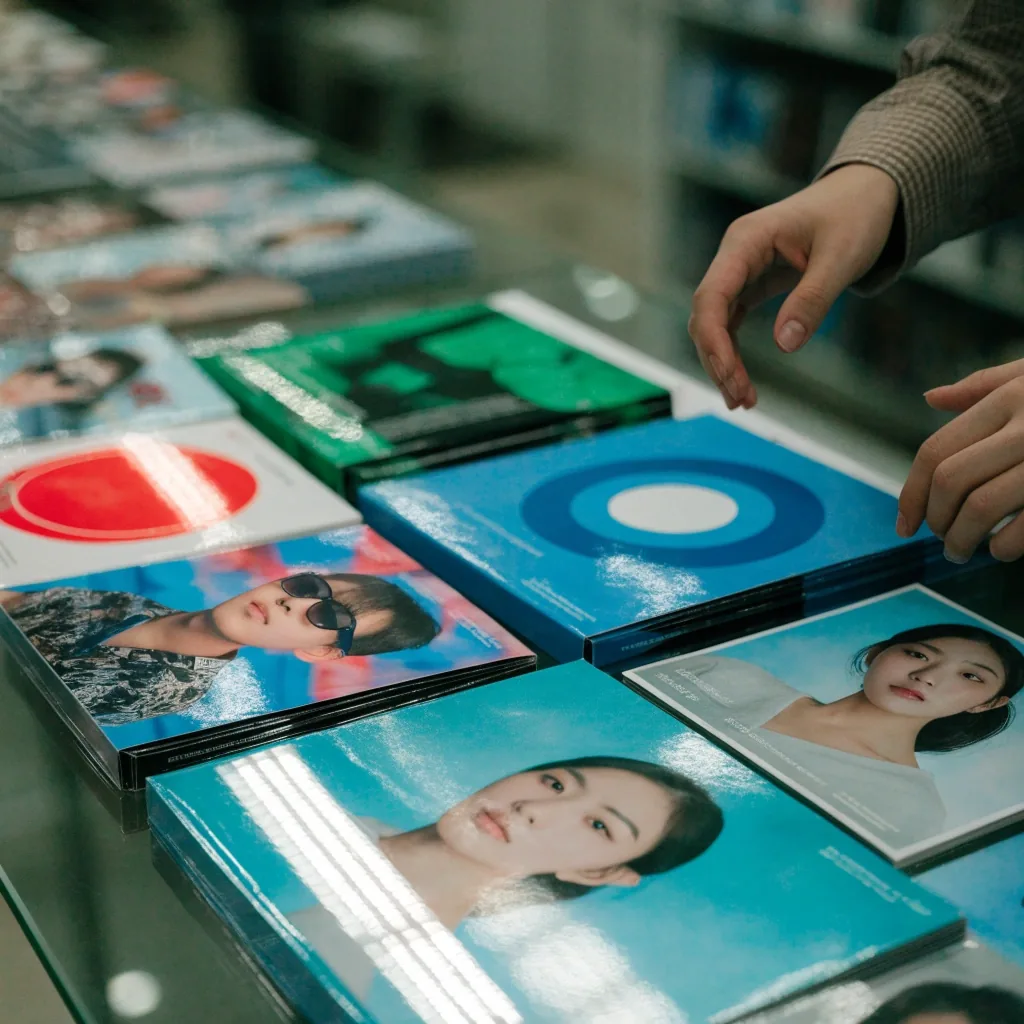
Shopper comparing multiple editions of the same album release on a retail shelf

The K-pop effect on shelf space

K-pop releases changed what a physical album is expected to contain. Packaging, photocards, and multiple versions per release turned a purchase into a collecting decision — a buyer who wants one version often ends up comparing three.

For retail, that means a single release can occupy more shelf or warehouse space than a standard CD once did, and reorders depend on which version sold out first.

Superfans carry more weight than reach

Luminate estimated that about 20% of U.S. music listeners qualify as superfans. That group shows up in more than one place: merch tables, physical music, concerts, fan clubs, social posts.

Merchandising strategy in 2026 increasingly gets built around the intensity of that fandom rather than the size of a general audience. One committed fan who buys the record, the shirt, and the tour edition earns more attention than a thousand casual streams.

Superfans and merch
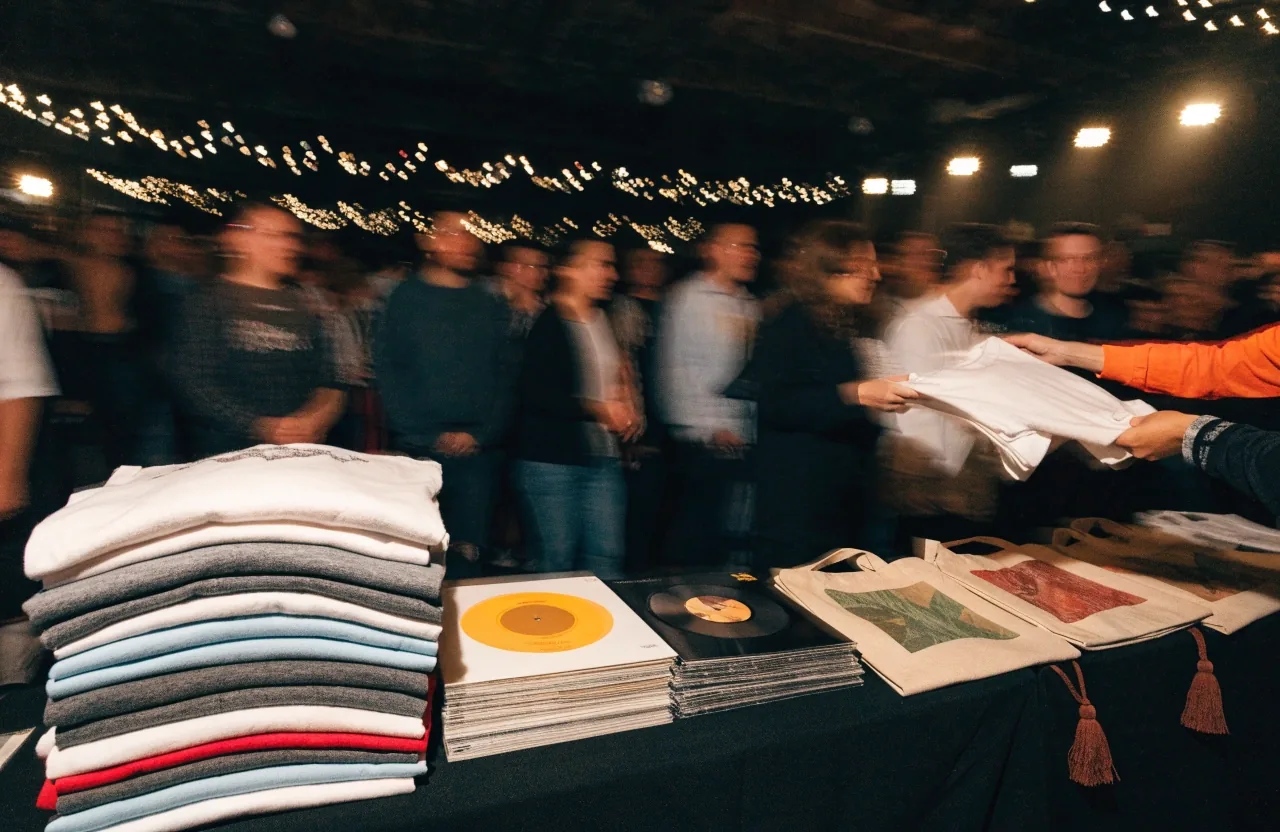
Merch table with folded tour shirts and records after a live show

Streaming decides what gets bought later

Spotify and Amazon Music sit at the front of most listening journeys now. Streaming accounted for $4.9 billion of U.S. recorded-music revenue in the first half of 2026, and playlisting plus algorithmic discovery decide what a listener hears next.

That matters to retail because discovery does not end in the app.

Streaming and discovery
  • Discovery in-app A song lands on the right playlist, and a listener saves it without ever thinking about a physical copy.
  • Months later The same listener goes looking for a pressing, a CD, or a tour shirt. Digital reach and physical purchasing coexist in the same fan.
  • What it means for stock A retailer that reads playlists and tour calendars can anticipate the second purchase instead of only chasing the first stream.
  • Where it lands Discovery sends a buyer to a store shelf, a specialty shop, or a direct-to-fan drop — all in the same week, and often in that order.

Gear still needs hands on it

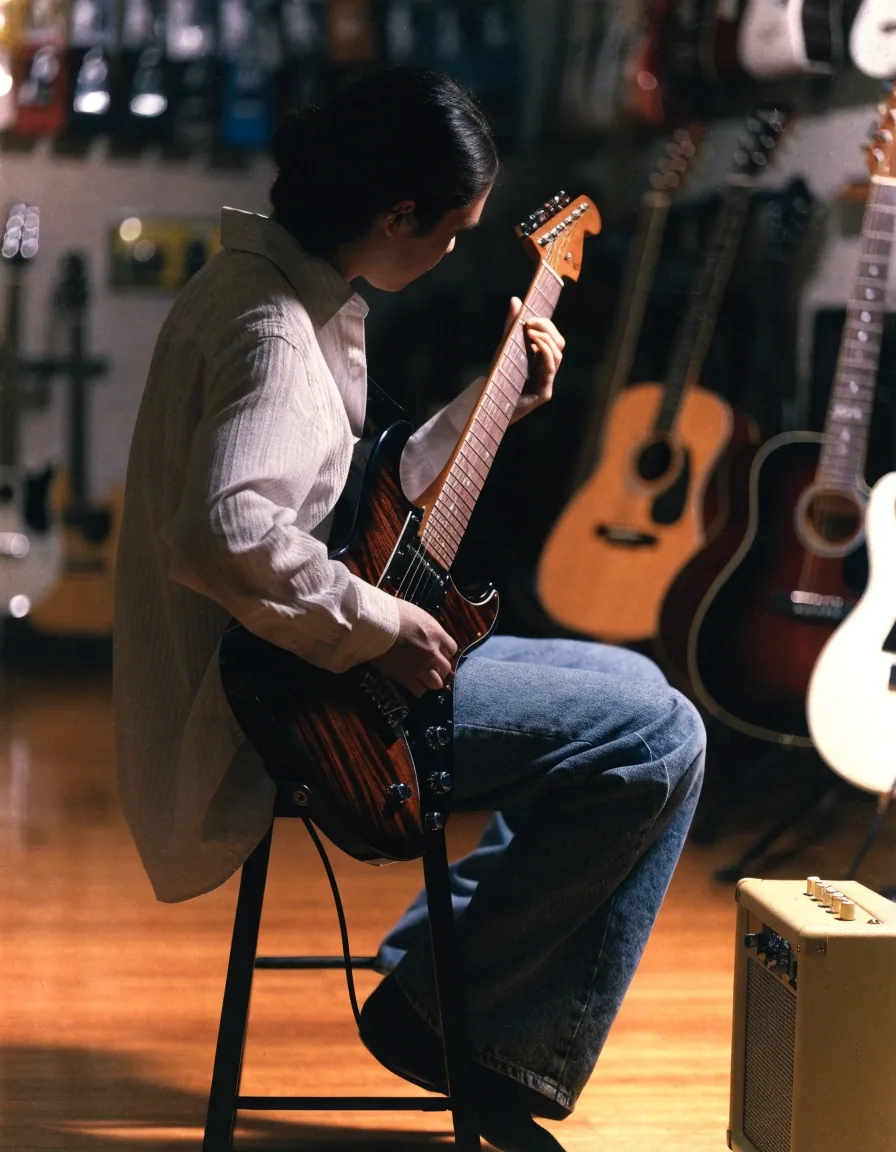
Guitar Center remains one of the best-known instrument retail names in the country, and the reason is not complicated: people want to play before they pay. Instrument retail in 2026 still runs on demoing, trade-ins, and a beginner-to-pro pathway that starts with a first instrument and ends somewhere else entirely.

Online-only gear buying competes on price and selection. It does not replace the ten minutes someone spends deciding whether a neck feels right.

Classic models anchor the guitar market

The Fender Stratocaster is still one of the most recognized electric guitars in modern music, and it still moves units for reasons that have little to do with marketing. Feel, sound, brand recognition, and resale value all enter the decision. A guitar that holds value gives a buyer an exit, and that changes how much they are willing to spend going in.

Look at gear and instruments
Customer trying an electric guitar in a store demo area
Entry-level digital piano on a home desk with headphones nearby

A starter keyboard opens a longer road

The Yamaha P-45 sits in the entry-level digital piano category, and that category is where a lot of household music-making begins. Portability, practice features, and home setup needs drive the choice. A keyboard that fits on a desk and works with headphones gets used at night. One that is too heavy or too loud sits in a closet. Getting a beginner instrument right matters more than getting it impressive.

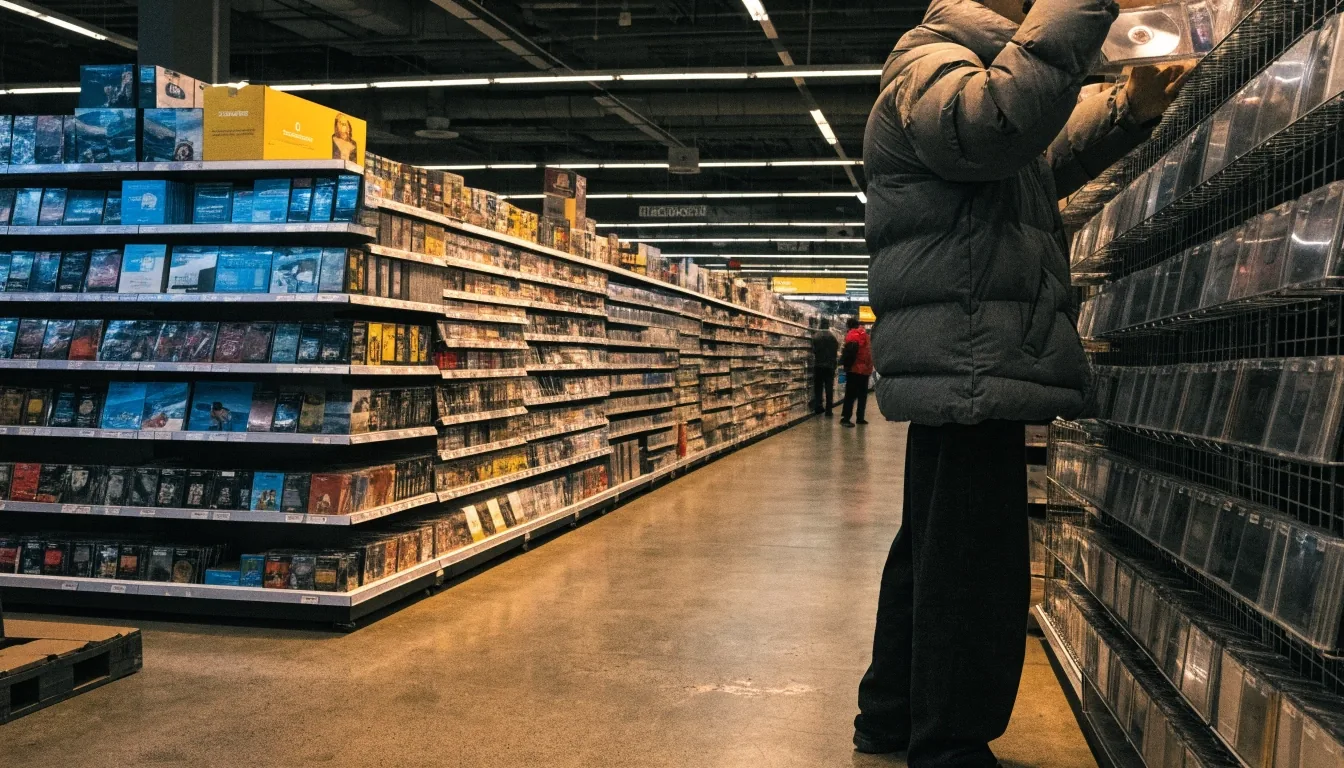
Shopper picking up a CD in a big-box retail music aisle

Mass retail is still in the music business

Impulse and gift buys

Best Buy and similar big-box retailers remain part of how physical music gets sold, mostly when a shopper is already in the store for something else.

Nearly 30% of physical

The same Luminate figure applies here: mass market captured nearly 30% of physical sales in H1 2026, driven in part by K-pop fandom.

Competing, not replacing

Big-box retail now competes with specialty shops and direct-to-fan sales. A buyer might grab a CD while shopping, then order a limited pressing from an artist's store the same week.

Record store culture did not fade

Independent shops survived by becoming something other than inventory. Record Store Day gives them a calendar event with exclusive pressings. Regular customers give them a reason to stock beyond the top 40.

What makes a store worth visiting in 2026 is the same thing it always was: someone behind the counter who knows the catalog and will hand you something you did not ask for. That is a retail skill, not a nostalgia act.

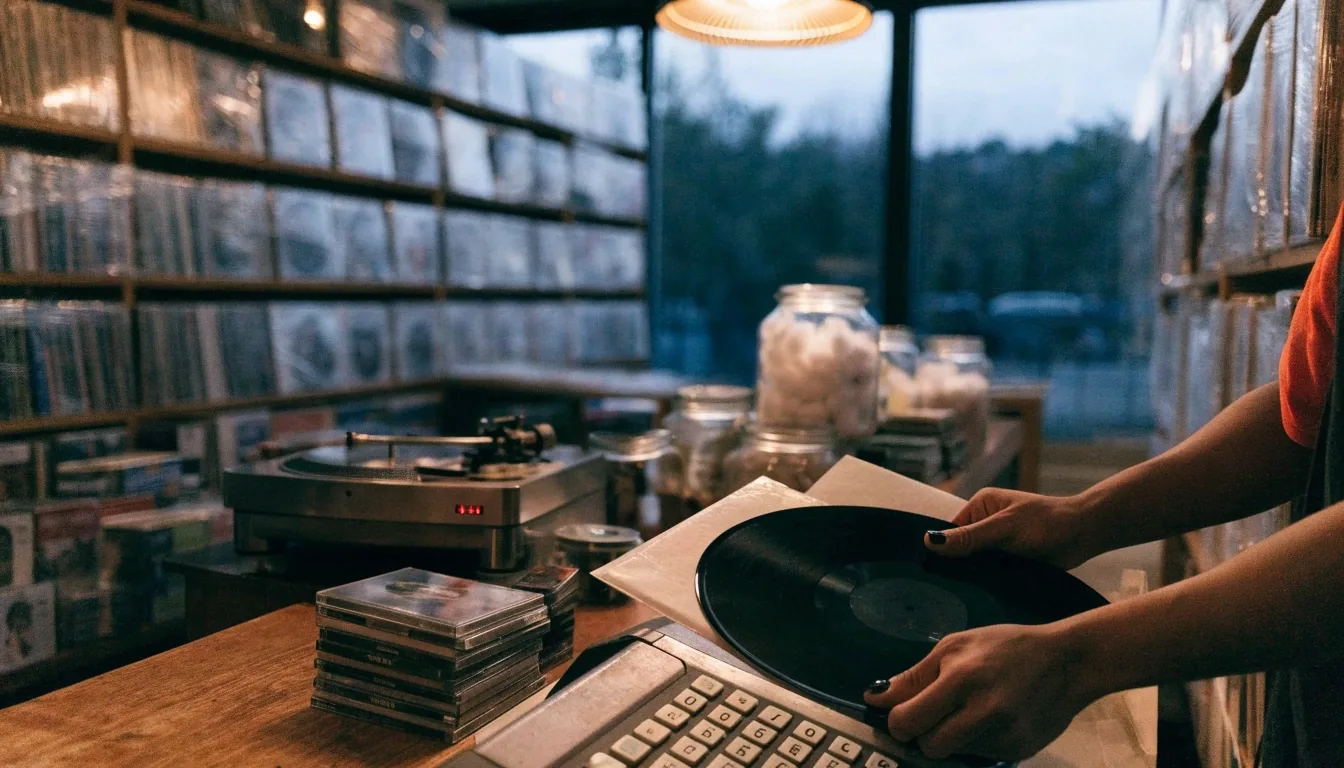
Interior of an independent record store with vinyl bins and a clerk at the counter

Merch tables and direct-to-fan

The merch table is a retail channel with its own rules. Limited runs, tour-only designs, and bundles tied to a release create urgency that a store shelf cannot.

Direct-to-fan sales let artists keep margin and control the drop, while physical retail still handles the buyer who wants it now. Both channels read the same signal: superfans will pay for a physical object that a stream cannot replace.

Two channels, one buyer

Direct-to-fan
Limited runs and bundles that sell out on the drop. Margin stays with the artist, urgency lives in the calendar.
Physical retail
Same-day availability for the buyer who does not want to wait on a shipment, plus the browse that leads to a second purchase.
How we read superfans and merch

What we watch next

Format trends move faster than most business plans. A CD resurgence and a vinyl revival can run at the same time without canceling each other, and streaming revenue can grow while physical sales also grow.

For a company working in both retail and music, the practical response is to stay close to the buyer: what they collect, what they demo, what they stream on the way to deciding. That is the standard we hold this site to.

Questions about Easy Killz LLC

Short answers to the things people ask first. If your question is about a specific order or a partnership, the Los Angeles office is the fastest route.

Contact Easy Killz LLC
What does Easy Killz LLC do?

We are a California-registered retail sales and music company based in Los Angeles. Our work covers retail operations and music-industry activity, including the formats, gear, and platforms that shape how music is bought and sold in the United States.

Are vinyl and CDs really both growing while streaming dominates?

That is the current market picture. Subscription streaming remains the largest source of U.S. recorded-music revenue, and physical formats have kept or regained momentum alongside it. The two behaviors coexist in the same fan rather than one replacing the other.

Do you sell directly to consumers?

This website is informational. It explains our retail and music work and how the U.S. market operates. For specific questions about our operations, contact the Los Angeles office by phone or email.

Where is Easy Killz LLC located?

Our mailing address is 1329 N Vista St, Apt 106, Los Angeles, CA 90046, USA.

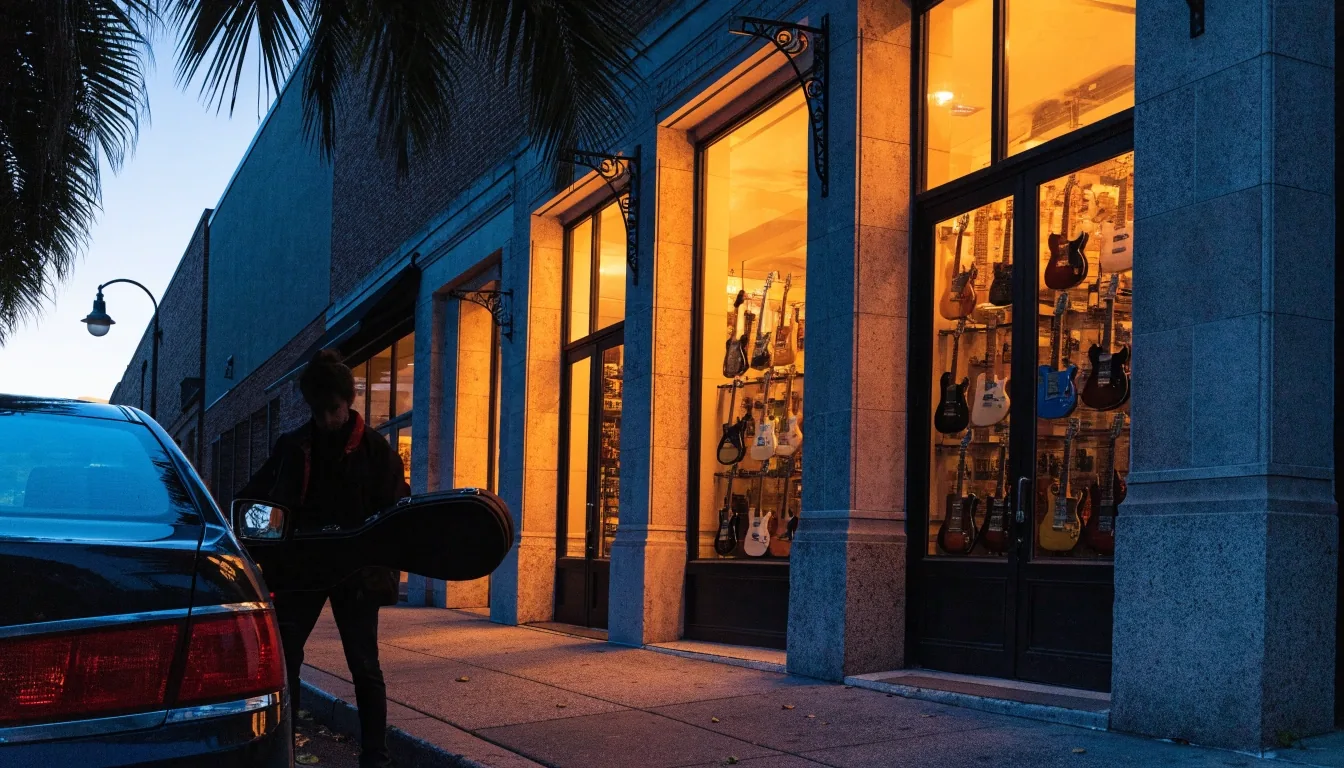
Evening scene outside a small Los Angeles music shop closing for the day

Talk to Easy Killz LLC about retail and music

We are based in Los Angeles and registered in California. If you want to talk about retail operations, music-industry work, or how the U.S. market for formats and gear is moving, reach the office by phone or email during business hours.

1329 N Vista St, Apt 106, Los Angeles, CA 90046, USA · Monday to Friday, 9:00 AM – 6:00 PM